
Optimal Timing for Masonry Services
Masonry service involves the repair, restoration, and construction of brick, stone, and concrete structures. Timing plays a crucial role in ensuring quality workmanship and longevity of the masonry work. Weather conditions, temperature, and humidity influence the curing process and material performance, making the right timing essential for optimal results.
Spring and fall are generally considered ideal for masonry work due to moderate temperatures and low humidity, which support proper curing and adhesion.
Avoiding extreme cold or heat prevents issues like freezing or rapid drying, which can compromise structural integrity.
Ideal temperatures for masonry are between 40°F and 85°F, ensuring materials set correctly without cracking or weakening.
Low to moderate humidity levels support proper curing, while high humidity can delay drying and affect finish quality.

Ways to make Masonry Service work in tight or awkward layouts.
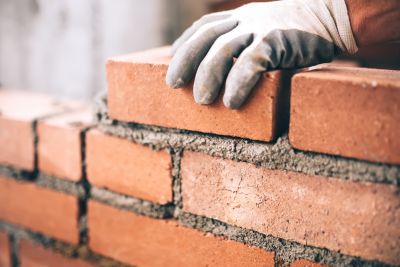
Popular materials for Masonry Service and why they hold up over time.
Simple add-ons that improve Masonry Service without blowing the budget.

High-end options that actually feel worth it for Masonry Service.
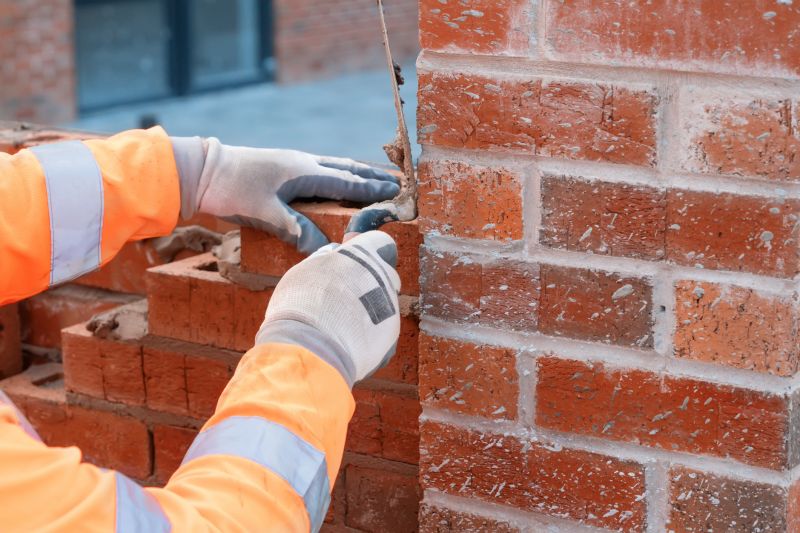
Finishes and colors that play nicely with Masonry Service.

Little measurements that prevent headaches on Masonry Service day.

A 60-second routine that keeps Masonry Service looking new.
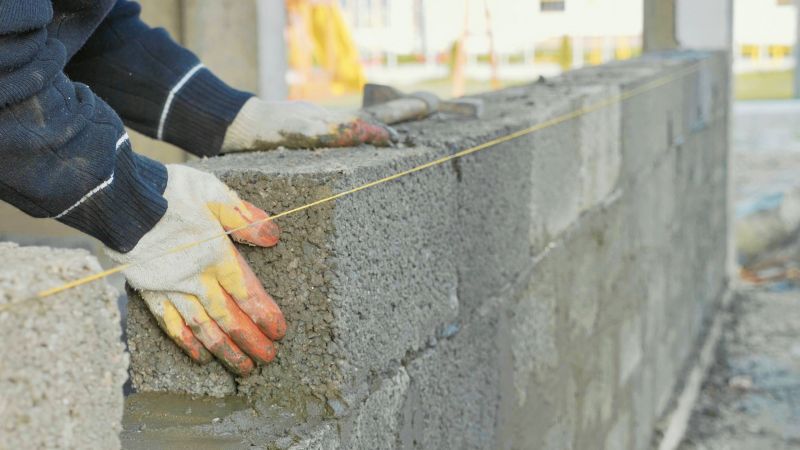
A frequent mistake in Masonry Service and how to dodge it.
| Season | Advantages |
|---|---|
| Spring | Moderate temperatures support curing and reduce delays. |
| Fall | Ideal for avoiding extreme weather and ensuring proper setting. |
| Summer | Possible but requires precautions against heat and rapid drying. |
| Winter | Generally discouraged unless conditions are controlled. |
| Late Spring/Early Fall | Optimal for most masonry projects. |
Masonry service is a vital aspect of maintaining and enhancing structural integrity and aesthetic appeal. Proper timing ensures that materials such as brick, stone, and concrete cure correctly, preventing issues like cracking, shifting, or deterioration. Skilled masons consider weather patterns and seasonal changes to schedule projects effectively, reducing the risk of weather-related setbacks.
Statistics indicate that projects completed during optimal weather conditions experience fewer repairs and longer service life. For instance, masonry structures built or repaired in spring or fall tend to have higher durability ratings and lower maintenance costs over time. Proper timing also allows for better craftsmanship, as workers can perform at their best without weather disruptions.

Small tweaks to make Masonry Service safer and easier to use.
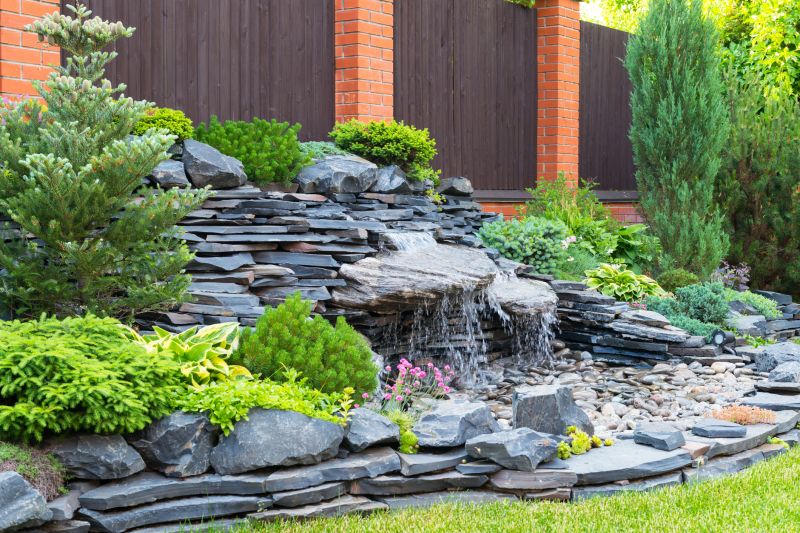
Lower-waste or water-saving choices for Masonry Service.
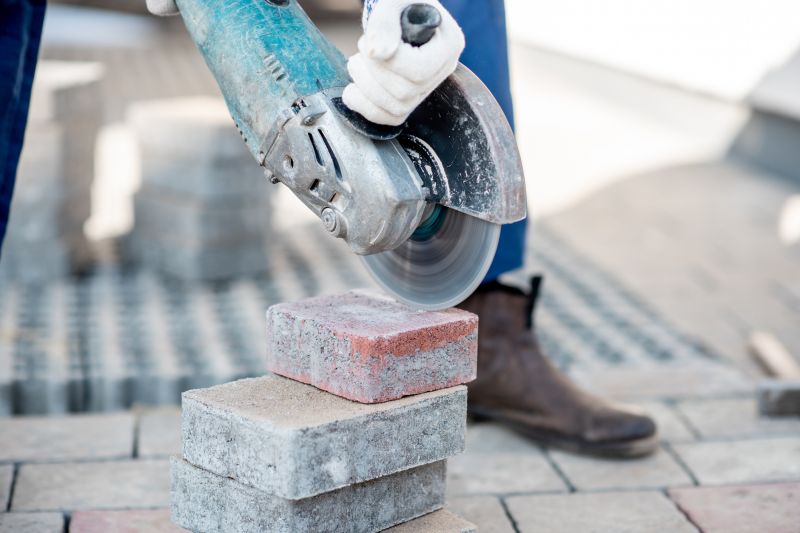
The short, realistic tool list for quality Masonry Service.
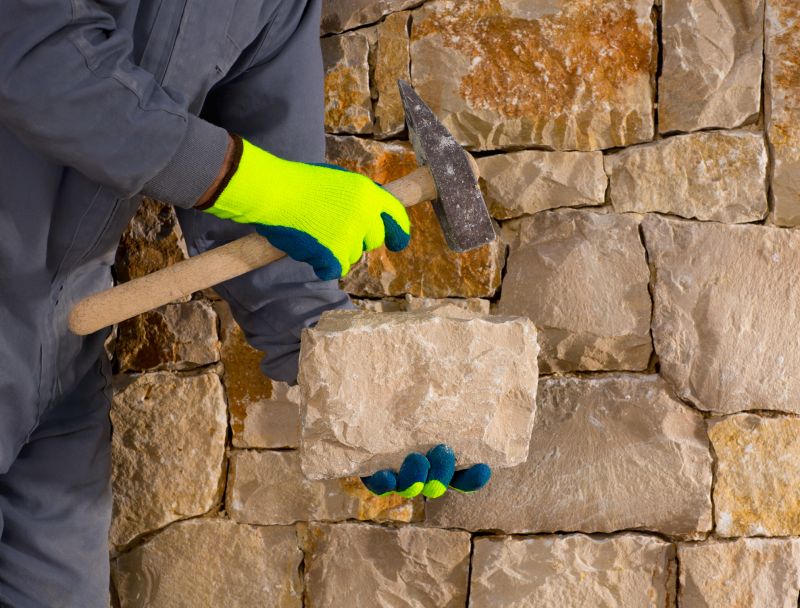
Rough timing from prep to clean-up for Masonry Service.
Interested parties are encouraged to contact to discuss scheduling and project planning. Proper timing can significantly influence the quality and longevity of masonry work, making it a critical consideration for any project.